Hardwood Smoking Chunks
Temsili görsel (stok fotoğraf); ürünün kendisi değildir.
Chunks Last, Chips Do Not
Wood chips ignite and burn out within about twenty minutes, which means a long cook needs them replaced repeatedly and the lid opened each time.
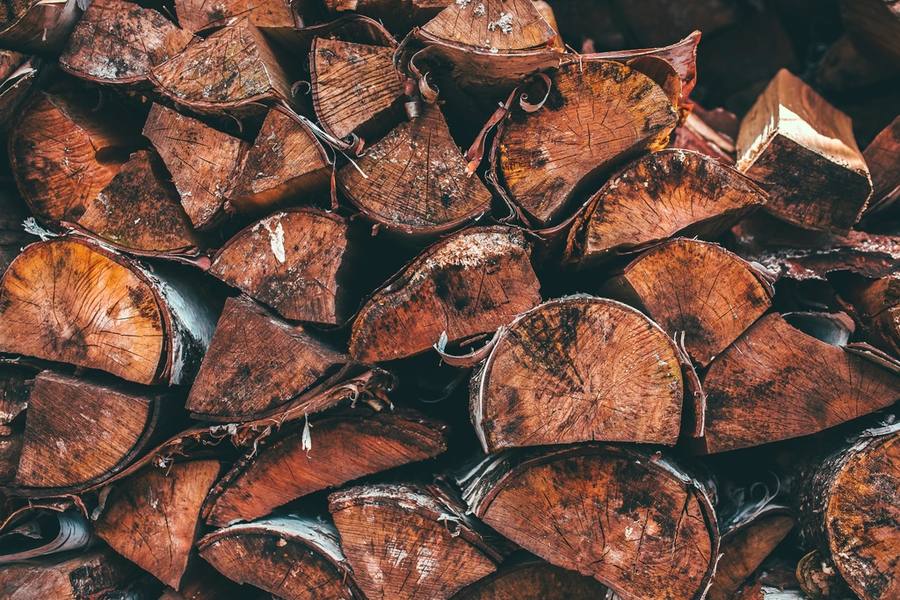
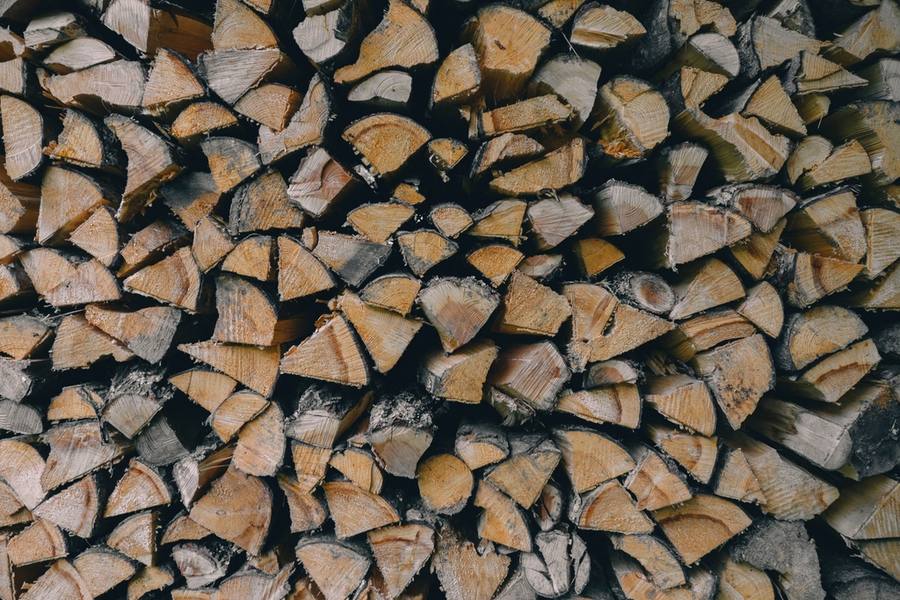
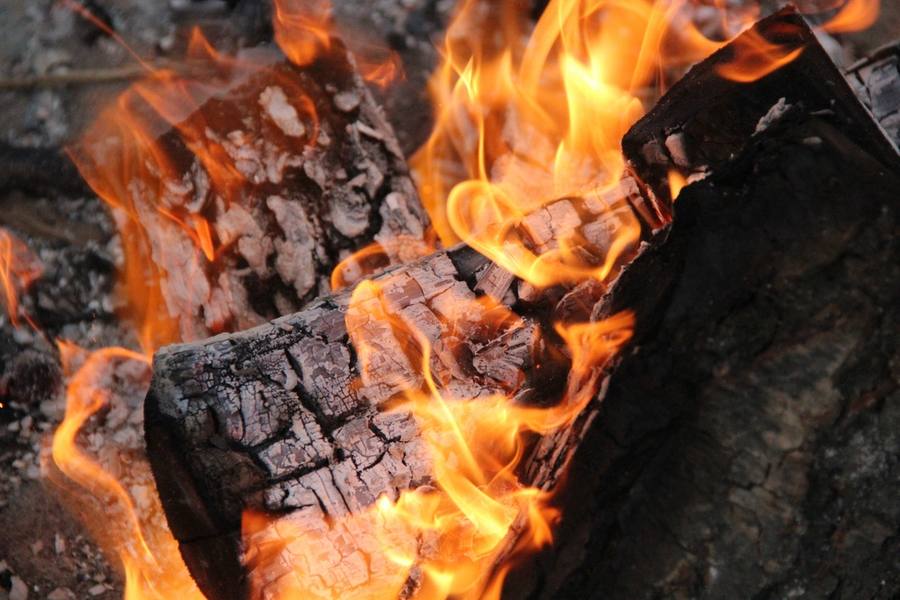
Chunks smoulder for an hour or more each, which covers the period of a cook when smoke is actually absorbed.
For any cook longer than a quick grill, chunks are the right format and chips are a compromise made for gas grills that cannot take them.
Smoke Absorbs Early
Meat takes on smoke most readily while the surface is cool and moist, which is the first two or three hours of a long cook.
After the surface dries and forms a bark, further smoke contributes far less, which means adding wood late achieves little.
That means placing all the smoking wood at the start rather than feeding it throughout, which is the opposite of what people instinctively do.
Soaking Achieves Nothing Useful
Soaked wood must boil off its water before it can smoulder, which produces steam first and delays smoke without extending it meaningfully.
Water does not penetrate wood more than a millimetre or two in an overnight soak, which is a measurable fact rather than an opinion.
Dry chunks buried in unlit charcoal produce progressive smoke as the fire reaches them, which achieves what soaking is meant to.
Bark, Mould And What To Avoid
Bark produces a harsher smoke than the wood beneath it and is fine in moderation, which is why some cooks remove it and most do not bother.
Mouldy wood produces genuinely unpleasant smoke and should not be used, which is a reason to store wood dry and ventilated.
Painted, treated, laminated or reclaimed construction timber must never be burnt near food, since the chemicals involved are released directly into what is being cooked.
Wood Types And Matching
Oak is the reliable default, mild enough for anything and strong enough to matter, which is why it dominates traditional barbecue.
Fruit woods are mild and suit poultry and pork, and hickory and mesquite are strong enough to overwhelm delicate food.
Using less strong wood is more forgiving than using more mild wood, since over-smoked food is acrid and cannot be fixed.
Quantity is where most people go wrong on their first smoked cook, since the instinct is that more wood produces more of a good thing and the result is bitter acrid food that nobody wants to eat. Two or three fist-sized chunks is sufficient for a long cook on a domestic smoker, which is considerably less than most people use initially. Starting with less and increasing on the next cook is the approach that finds the right amount without ruining a joint.
Wood pellets and chips both exist for smaller applications, with chips suiting gas grill smoker boxes that chunks are too large for and pellets suiting tube smokers on a grate. Neither replaces chunks for a long charcoal cook, which is where the format genuinely matters.
The Verdict
The right smoking format for charcoal cooking, where placement at the start and dry wood matter more than variety.
Soaking delays smoke, late wood achieves little, and treated timber is dangerous near food.
Do not soak them. Water barely penetrates and all soaking does is delay the smoke you wanted.
Bir bakışta
Artılar
- Smoulder for an hour or more each
- Cover the period when smoke is absorbed
- Bury in unlit charcoal for progressive smoke
- Oak suits almost everything
Eksiler
- Too large for most gas grill smoker boxes
- Mouldy wood ruins a cook
- Strong woods overwhelm delicate food
- Late additions contribute very little
Sıkça sorulan sorular
Should I soak the wood?
No. Water penetrates a millimetre or two at most in an overnight soak, and soaked wood must boil that off before smouldering, which delays smoke without extending it. Bury dry chunks in unlit charcoal for progressive smoke instead.
When should I add the wood?
At the start. Meat absorbs smoke most readily while the surface is cool and moist, which is the first two or three hours. Once a bark forms, further smoke contributes far less, so feeding wood late achieves little.
Which wood should I use?
Oak as a default, which is mild enough for anything and strong enough to matter. Fruit woods for poultry and pork, hickory and mesquite for beef. Use less of a strong wood rather than more of a mild one — over-smoked food cannot be fixed.
Teknik Özellikler
| Type | Hardwood smoking chunks |
| Versus chips | Hours rather than twenty minutes |
| Absorption window | The first two or three hours |
| Placement | All at the start, buried in charcoal |
| Soaking | Unnecessary; delays smoke |
| Storage | Dry and ventilated; discard mould |
| Never burn | Treated, painted or construction timber |
| Default wood | Oak |
Özet
Chunks not chips, all at the start, never soaked. Oak covers almost everything you will cook.
Amazon'da Fiyatı Kontrol Et