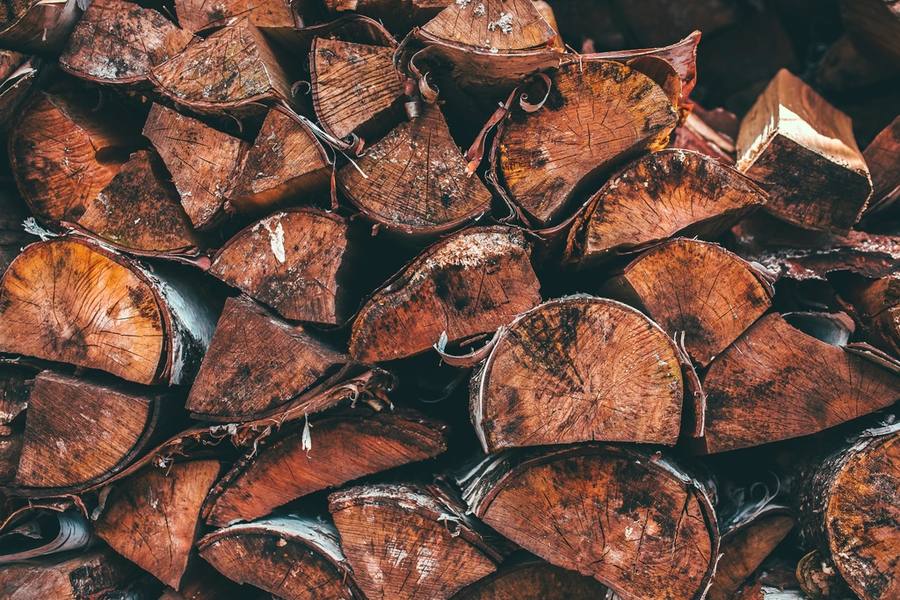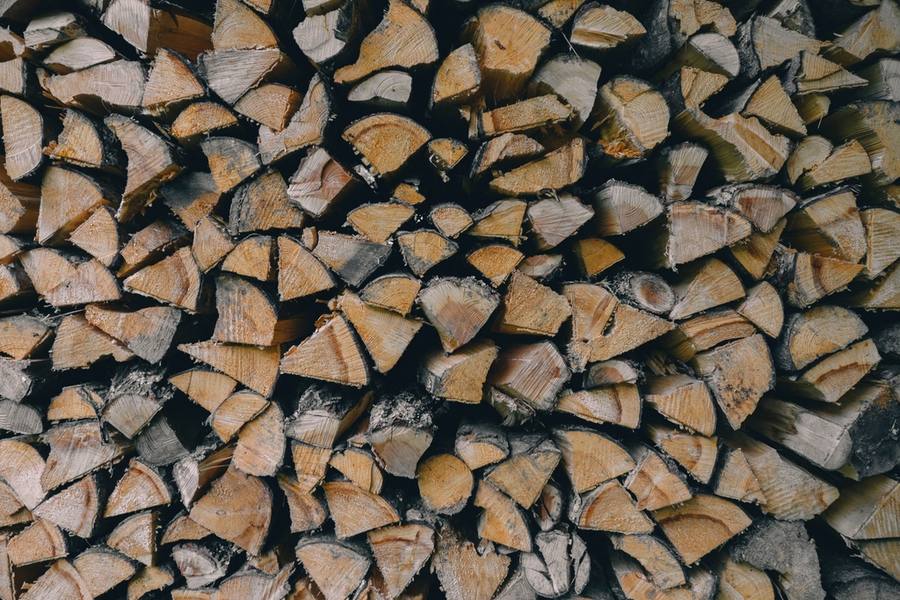
Representative image (stock photo); not the exact product.
Moisture Content Is The Only Specification
Freshly cut wood contains a very high proportion of water, and burning it uses most of the available energy boiling that off rather than producing heat.
Kiln dried wood sits at around twenty percent moisture or below, which burns hot with a visible clean flame.
That figure is the only specification that matters in firewood, and everything else follows from it.
Wet Wood Cannot Reach Temperature
A pizza oven needs very high temperatures, and wet wood smoulders at a fraction of that regardless of how much is burnt.
Anybody unable to reach temperature in a wood oven is almost always burning wood that is too wet rather than having an inadequate oven.
A moisture meter costs very little and settles the question directly, which removes the guesswork from a common frustration.
Seasoned Against Kiln Dried
Seasoned wood is air dried over one to two years and reaches a moisture content that varies with storage conditions and weather.
Kiln dried wood is dried in a controlled chamber to a stated figure, which is consistent and costs more.
Properly seasoned wood is as good as kiln dried and is harder to verify, which is why kiln dried dominates where reliability matters.
Smoke And Air Quality
Burning wet wood produces considerably more particulate emissions than dry wood, which is a genuine air quality and health issue in residential areas.
Regulations in many countries now restrict the sale of wet firewood for exactly that reason, and the rules apply to domestic use.
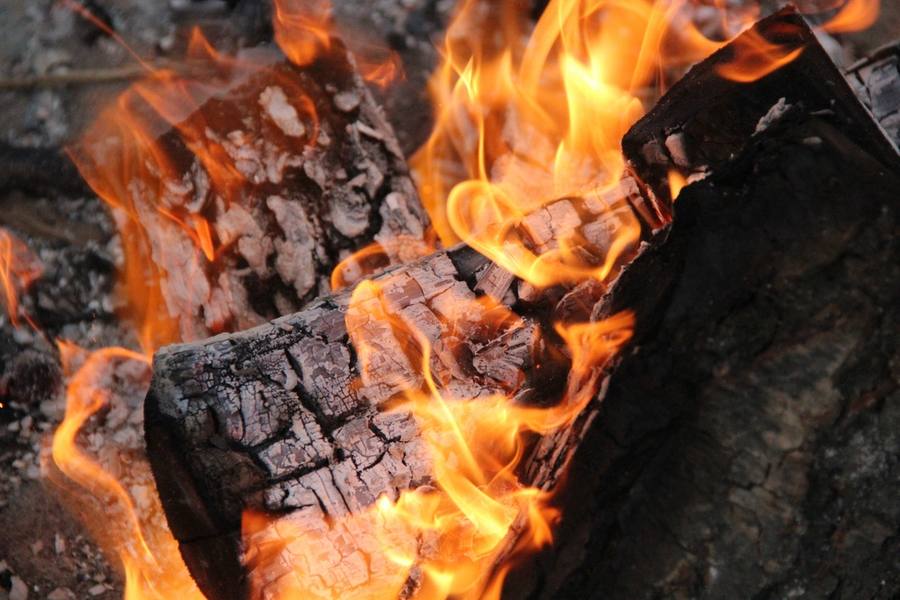
Dry wood burning cleanly with a visible flame produces far less smoke, which is better for the food, the neighbours and the person cooking.
Storage Keeps It Dry
Kiln dried wood reabsorbs moisture from the air, and a load left uncovered outdoors returns toward unusable within months.
Storing off the ground, covered on top and open at the sides for airflow is the standard arrangement that keeps wood dry.
A few days of wood brought indoors before use drops the moisture content further, which makes a noticeable difference in a pizza oven.
Species matters less than dryness and it does matter, since dense hardwoods such as oak, ash and beech burn longer and hotter than lighter hardwoods. Birch lights easily and burns fast, which makes it useful for starting a fire and poor for sustaining one. A mix of an easy-lighting species and a dense one covers both jobs, which is how most quality firewood is sold.
Delivery and stacking are worth thinking about before ordering, since a load tipped onto a driveway must be moved and stacked properly the same day or it sits on wet ground absorbing exactly what it was dried to remove.
Log size matters for a pizza oven specifically, since a full-size log will not fit and pieces split to around the length of a forearm are what these ovens are designed around.
Buying by volume rather than weight is standard for firewood, and a cubic measure of dense hardwood contains considerably more energy than the same volume of light softwood.
The Verdict
A fuel where moisture content determines everything, and where wet wood is the cause of most wood-fired frustration.
Wet wood cannot reach temperature, seasoned wood varies, and dry wood reabsorbs moisture in storage.
Buy a moisture meter. Not reaching temperature in a wood oven is almost always wet wood.
At a glance
Pros
- Burns hot with a clean visible flame
- Consistent stated moisture content
- Far lower particulate emissions than wet wood
- Reaches pizza oven temperatures reliably
Cons
- More expensive than seasoned wood
- Reabsorbs moisture in poor storage
- Heavy and bulky to store
- Availability varies by region
Frequently asked questions
Why can I not reach temperature?
Almost always wet wood. Burning it uses most of the available energy boiling water off rather than producing heat, so it smoulders at a fraction of what a pizza oven needs. A cheap moisture meter settles the question directly.
Is seasoned wood as good?
If it is genuinely dry, yes. Seasoned wood air dries over one to two years to a moisture content that varies with storage and weather, where kiln dried is dried to a stated figure. The difference is verifiability rather than quality.
How should I store it?
Off the ground, covered on top and open at the sides for airflow. Kiln dried wood reabsorbs moisture from the air, and a load left uncovered outdoors returns toward unusable within months. Bring a few days indoors before use.
Specifications
| Type | Kiln dried hardwood logs |
| Only specification | Moisture content |
| Target | Around twenty percent or below |
| Wet wood | Cannot reach cooking temperature |
| Cheap tool | A moisture meter |
| Seasoned wood | As good if genuinely dry; harder to verify |
| Storage | Off ground, covered top, open sides |
| Before use | Bring a few days indoors |
The bottom line
Moisture content is the whole specification. A cheap meter answers the question people keep guessing at.
Check Price on Amazon